
Dual Reflective, Frosted or Black Best Atlanta Window Film for Home or Business

Updated: Sep 7
Georgia sun does not treat standard glass kindly. Clear windows may look neutral, but they allow intense solar heat, harsh glare, fading UV exposure, and unwanted visibility to pass straight into a home or business. In Metro Atlanta, that becomes especially noticeable in west-facing rooms, sunrooms, storefronts, dental suites, street-level offices, and luxury homes with large architectural glass.
The right film is not just “dark or light.” A strong recommendation depends on three questions:
How much heat and glare need to be reduced?
Is privacy needed during the day, at night, or around the clock?
Should the finished glass look reflective, soft and frosted, or dark and understated?
That is where professional architectural window tinting Atlanta property owners can trust becomes different from choosing a roll of film by shade alone. Dual-reflective, frosted, and traditional black films each solve a different problem. UniCres Tints helps homeowners, builders, and business owners across Buckhead, Milton, Alpharetta, Serenbe, Peachtree City, Sandy Springs, and the surrounding Metro Atlanta area match the film to the glass, the building, and the design intent.
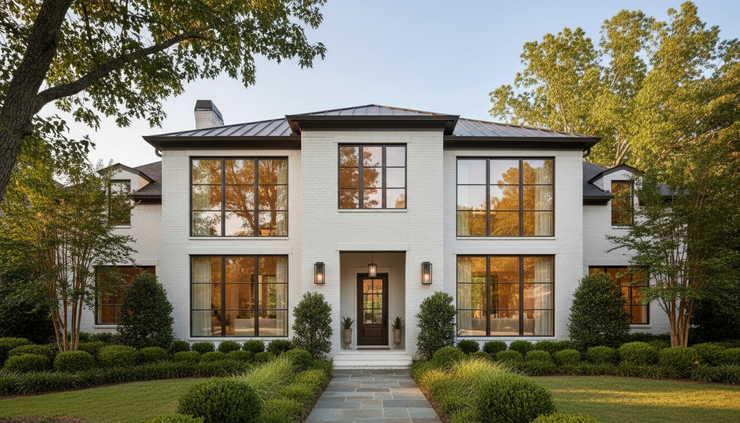
Why standard glass struggles in Georgia heat
Standard residential and commercial glass is built to provide visibility, weather protection, and basic insulation. It is not always built to manage the full solar load that hits Atlanta properties for much of the year.
On hot days, sunlight brings three major problems through untreated glass.
Solar heat gain
Rooms with large windows can heat faster than the rest of the property. HVAC systems work harder, and comfort becomes uneven from room to room.
Glare
Direct sun on televisions, monitors, reception areas, dining rooms, lobbies, and waiting rooms can make beautiful spaces frustrating to use.
Fading and material stress
UV exposure and visible light can contribute to fading on flooring, rugs, artwork, merchandise, furniture, and interior finishes.
Architectural window film improves performance without replacing the glass. The key is choosing the correct film type. A reflective film may be excellent for daytime privacy but wrong for a strict HOA. A frosted film may provide perfect privacy but remove the view. A dark neutral film may look elegant but provide less daytime privacy than a reflective film.
The best choice starts with the room, the glass, the exposure, and the privacy goal.
Dual-reflective window film is built for heat rejection and daytime privacy
Dual-reflective film is one of the strongest options for Atlanta homes and commercial buildings with severe heat and glare issues. It has a more reflective exterior surface and a less reflective interior surface. That construction gives it a useful balance: strong solar control from the outside, with better visibility from the inside.
For many properties in Georgia, this is the film category that solves the “hot glass wall” problem.
A professionally selected dual reflective window film Georgia property owners use on the right glass can reject a high amount of solar heat. Some premium specifications can reach 80% or more solar heat rejection, depending on the product, glass type, and installation conditions.
How dual-reflective film works
The exterior-facing layer reflects a significant portion of solar energy before it enters the building. This helps reduce heat buildup near windows and lowers the strain on cooling systems.
The result is especially noticeable in:
Two-story foyers with tall glass
Sunrooms and enclosed patios
West-facing family rooms
Street-facing storefronts
Commercial office exteriors
Fitness studios and salons with large window walls
Dual-reflective films also help create crisp daytime privacy. During daylight hours, the brighter exterior side becomes more reflective. People outside see more reflection and less interior detail.
That can be valuable for homes near sidewalks, golf paths, neighborhood entrances, or closely spaced properties in areas like Buckhead, Sandy Springs, Alpharetta, and Milton.
The night-vision advantage
Traditional reflective films can create a frustrating problem at night. When interior lights are on and the outside is dark, the glass can look like a mirror from the inside. That “mirror effect” makes it difficult to see out.
Dual-reflective film reduces that issue. Because the interior-facing side has lower reflectivity, homeowners and occupants can usually see out more clearly after dark compared with standard mirrored films.
This matters in real use. A living room should not feel sealed off at night. A restaurant or boutique should not lose its evening view. A conference or waiting area should still feel open after sunset.
Best uses for dual-reflective film
Dual-reflective film is a strong fit when the priority is heat control, glare reduction, and daytime privacy without giving up too much outward visibility.
It is often a smart choice for:
Sunrooms that overheat by noon
West-facing living rooms that become uncomfortable in the afternoon
Commercial glass exteriors that need better glare control
Retail and service spaces that want a cleaner street-facing appearance
High-glass homes with large architectural window packages
The main design consideration is exterior reflectivity. Some homeowners love the crisp, polished look. Some HOAs do not. That is why a professional assessment matters before installation.

Frosted and decorative films create full privacy with soft daylight
Frosted film solves a different problem. It is not mainly about keeping a view. It is about privacy, daylight, and design.
Unlike reflective films, frosted and decorative films obscure visibility from both sides. They turn clear glass into a privacy surface while still allowing soft natural light to pass through.
That makes them ideal for glass that should brighten a space without exposing what happens inside.
Frosted film provides 24/7 two-way privacy
Reflective films depend on light balance. They provide the best privacy when the outside is brighter than the inside. Frosted films do not rely on that same condition.
A good frosted film provides full-time two-way privacy during the day and at night. People on either side see shapes, light, and movement, but not clear detail.
This is why frosted film is so common for:
Bathroom windows
Shower glass
Front door sidelites
Entry glass near walkways
Medical and dental exam rooms
Interior glass partitions
Studio treatment rooms
Shared residential spaces
For a frosted privacy glass office effect, film can often deliver the look of etched or sandblasted glass without replacing the panel. It can also be removed or changed later, which is useful for leased commercial spaces.
Decorative film adds design control
Frosted film does not have to mean plain white glass. Decorative options can include:
Matte frost
Gradient frost
Linear patterns
Rice paper textures
Geometric designs
Custom cut privacy bands
Partial coverage for doors and sidelites
This allows the glass to match the space. A dental practice may need calm, clean privacy. A boutique spa may want a softer decorative pattern. A modern home in Serenbe may need privacy that feels architectural rather than heavy.
For residential use, frosted film works especially well where blinds are inconvenient or visually bulky. A front door sidelite can stay bright without letting visitors see directly inside. A master bathroom can keep daylight while removing the need for closed shades.
Where frosted film is not the right fit
Frosted film is not the best answer when the view matters. Once installed, it obscures the view in both directions. That is the point.
For a picture window overlooking a wooded lot, golf course, garden, or skyline view, a neutral or dual-reflective solar film may be a better match. Frost belongs where privacy is more important than visibility.

Traditional black and neutral films offer heat control without a mirrored look
Traditional black and neutral architectural films remain popular because they look clean, simple, and familiar. They darken the glass, reduce glare, and improve comfort without creating a shiny exterior.
For many Atlanta-area homes, that understated finish is the deciding factor.
A traditional black home window tint is often chosen when the goal is solar control with a modern exterior appearance. The glass looks deeper and more uniform, but not metallic. This can pair well with brick estates, painted exteriors, black window frames, contemporary farmhouses, and luxury homes where design restraint matters.
The main strengths of black and neutral film
Black and neutral films are often selected for:
Glare reduction in living rooms and media rooms
Softer daylight in bedrooms
Reduced heat near large windows
A clean exterior appearance
A less reflective look from the street
Better visual consistency across different window elevations
They are also common in commercial spaces where the building owner wants solar control without a mirrored façade.
For commercial window tinting Buckhead properties, neutral films can be useful when the building needs an upgraded appearance but still has to fit the character of the property, neighboring storefronts, or landlord requirements.
Why neutral films help with HOA compliance
Many upscale residential communities have architectural review rules. Some restrict highly reflective or mirrored windows because they change the exterior appearance of the home.
This comes up often in areas such as:
Milton
Serenbe
Peachtree City
Alpharetta
Buckhead
Sandy Springs
Neutral and black films are often the safer path when HOA appearance standards matter. They provide comfort and glare benefits while keeping the glass from looking overly reflective.
That does not mean every black film is automatically approved. Shade level, exterior appearance, and visible light transmission can still matter. UniCres Tints can help review film samples on the actual glass before a larger installation begins.
How to compare the three film types
The right product becomes easier to choose when the main priority is clear.
Film type | Best strength | Privacy level | Exterior look | Best applications |
Dual-reflective film | High heat rejection and daytime privacy | Strong in daylight, reduced at night | Reflective and polished | Sunrooms, west-facing rooms, commercial exteriors |
Frosted film | Full privacy with daylight | Strong day and night | Soft, etched, or decorative | Bathrooms, sidelites, partitions, exam rooms |
Black or neutral film | Glare control with subtle style | Moderate, based on shade and lighting | Dark, clean, non-mirrored | HOA homes, media rooms, luxury residences |
A south-facing glass wall in a commercial building may call for dual-reflective film. A bathroom window five feet from a neighbor may call for frosted film. A Milton home under strict exterior design rules may call for neutral film.
The best film is the one that solves the actual problem without creating a new one.

Glass safety and compatibility must come before installation
Architectural window film is not one-size-fits-all. The same film can perform differently on different glass systems. A responsible installer checks compatibility before recommending a product.
UniCres Tints evaluates the glass type, window construction, exposure, and performance goal before installation. This helps reduce the risk of thermal stress, seal issues, or poor visual results.
Single-pane glass
Single-pane glass is common in older homes, historic properties, and some commercial buildings. It can accept many film types, but heat absorption still matters. Darker films can increase glass temperature, so film selection should match the pane size, thickness, and sun exposure.
Double-pane insulated glass
Double-pane glass, also called insulated glass, needs careful review. Some films absorb heat, and that heat can build between panes or along the edges. The wrong film may increase stress on the glass or seals.
For double-pane windows, the safest recommendation often depends on:
Existing Low-E coatings
Glass size
Frame type
Edge condition
Directional exposure
Interior shading conditions
Whether the glass is tempered or annealed
Tempered and annealed glass
Tempered glass is heat-treated and stronger than standard annealed glass. It is often used near doors, bathrooms, large openings, and code-required safety areas.
Annealed glass is more sensitive to thermal stress. If it has chips, scratches, heavy shading, or uneven sun exposure, film selection becomes even more important.
Low-E glass and specialty coatings
Many newer homes in Atlanta suburbs already have Low-E glass. That does not always mean the space is comfortable. Low-E coatings help, but they may not solve glare, privacy, or intense west-facing heat.
Film can still be an option, but it must be compatible with the glass package. The installer should identify whether the coating is on an interior surface and choose a film that works with that system.
How UniCres Tints guides the selection process
A high-quality project starts before the first piece of film is cut. For residential and commercial clients across Metro Atlanta, UniCres Tints looks at both performance and appearance.
A typical consultation may include:
Reviewing the direction each window faces
Identifying the glass type where possible
Discussing daytime and nighttime privacy needs
Comparing reflective, frosted, and neutral samples
Checking HOA, landlord, or property manager limits
Matching film appearance to interior finishes
Recommending a film that fits the real use of each room
This is especially useful for larger properties where one film may not be right for every window. A home may need dual-reflective film on the west side, frosted film in bathrooms, and neutral film on street-facing front windows. A commercial property may need decorative privacy in treatment rooms and solar control on exterior glass.
Choosing the best film for an Atlanta property
Start with the result the glass needs to deliver.
Choose dual-reflective film when heat rejection, glare control, and daytime privacy are the top concerns. It is best for sunny exposures, large exterior glass, and rooms that become uncomfortable during peak sun.
Choose frosted or decorative film when privacy matters all day and night. It is the right choice for bathrooms, sidelites, exam rooms, and interior glass where light is welcome but visibility is not.
Choose traditional black or neutral film when the goal is comfort with a refined, non-mirrored look. It is often the best match for HOA-regulated homes and upscale properties where exterior appearance matters as much as performance.
The right architectural film should make the glass work better without making the property feel darker, mismatched, or closed off. In Atlanta’s heat, that balance matters. UniCres Tints helps find it window by window, from Buckhead storefronts to Milton estates, Sandy Springs homes, Alpharetta offices, Serenbe retreats, and Peachtree City residences. Call (404)819-9515 for Consultion


Comments