
Stats Behind Premium Mobile Ceramic Window Tinting in Atlanta

Atlanta heat does not wait until July to make a parked vehicle uncomfortable. A car sitting in a Buckhead driveway, an Alpharetta parking lot, or along a sunny commute on GA-400 can turn into a heat box fast. The right film changes that experience, but only if the choice is based on real performance numbers, not vague promises.
At UniCres, we provide premium mobile ceramic window tinting in Atlanta with installation brought directly to your home or workplace. Our mobile service covers a 100-mile radius around the city, making it easier to get a high-quality finish without spending half a day in a waiting room.
The real value of tint comes from the science behind it. Carbon, Ceramic, and Premium Ceramic films all improve comfort, but they do it at different levels. To compare them fairly, it helps to understand the stats that matter most.

Why window tint performance is about more than darkness
Many drivers still judge tint by how dark it looks. That is only one part of the story.
A dark film can reduce glare and add privacy, but darkness alone does not tell you how much heat the film blocks. Two films can look similar from the outside while performing very differently on a hot day. That is especially true when comparing dyed, carbon, ceramic, and premium ceramic options.
The best way to compare films is to look at their performance ratings. These ratings explain how the film handles sunlight, heat, and ultraviolet exposure.
The most useful numbers include:
Infrared rejection
Total Solar Energy Rejected
Ultraviolet rejection
Visible Light Transmission
Glare reduction
Each number tells a different part of the story. Together, they show how a film will feel in real driving conditions.
Infrared heat explains the burning sensation
Infrared radiation, often shortened to IR, is the part of sunlight most drivers associate with heat on the skin. If one arm feels like it is baking through the side glass during an afternoon drive, infrared energy is a major reason.
That is why IR rejection matters so much in Atlanta. Long traffic lights, open highway stretches, and parked vehicles under direct sun all expose the cabin to infrared heat.
Ceramic window films perform well here because they use advanced non-metal materials that target infrared radiation without relying on excessive darkness. UniCres standard Ceramic film rejects up to 88 percent of infrared heat, making it a major upgrade from basic dyed films and a noticeable step above entry-level solar protection.
That number matters most when the sun hits the vehicle from the side or front quarter. The cabin still warms over time, but the direct heat load on passengers drops. That can make daily driving feel calmer, especially during spring and summer.
Infrared rejection is the stat that best explains why one film feels cooler on your skin than another with the same visible shade.
Total Solar Energy Rejected gives the bigger picture
IR rejection is important, but it does not tell the whole story. Total Solar Energy Rejected, often listed as TSER, gives a broader view.
TSER measures how much total solar energy the film rejects. That includes:
Visible light
Infrared heat
Ultraviolet rays
This makes TSER one of the best overall comfort ratings. A higher TSER means the film reduces more total energy before it enters the cabin.
IR rejection focuses on a specific heat-producing part of the spectrum. TSER looks at the full solar load on the glass. That is why two films with similar IR claims can still perform differently overall.
For example, a film may block a high percentage of infrared energy at a certain wavelength, but its full solar rejection may be lower once visible light and the rest of the spectrum are included. TSER helps make the comparison more honest.
When choosing between Carbon, Ceramic, and Premium Ceramic, TSER is one of the best numbers to ask about. It gives a clearer idea of how the film may affect cabin temperature, air conditioning use, and comfort during longer drives.

UV protection is a baseline for every quality film
Heat control gets most of the attention, but ultraviolet protection is another major reason to tint a vehicle.
Every film installed by UniCres blocks over 99.9 percent of harmful ultraviolet rays. That applies across the film menu, including Carbon, Ceramic, and Premium Ceramic options.
UV protection helps protect the cabin from sun-related wear. Over time, repeated sun exposure can contribute to fading, drying, and discoloration on interior materials. Leather, vinyl, plastics, and trim can all show signs of aging faster when exposed to strong sunlight every day.
UV protection also adds peace of mind for drivers and passengers who spend a lot of time on the road. Window film is not a substitute for medical sun protection, but reducing UV exposure inside the vehicle is a practical benefit.
Because UV rejection is strong across all UniCres film tiers, the main difference between the options comes down to heat control, comfort, appearance, and long-term performance.
Carbon film is the reliable upgrade over basic dyed tint
Carbon film is a strong starting point for drivers who want a better film than standard dyed tint.
Basic dyed films mainly absorb solar energy. They can reduce glare and add privacy, but they often provide limited heat rejection compared with more advanced products. They may also fade faster depending on the quality of the material and installation.
Carbon film uses carbon-based particles to improve solar performance. This gives it a more stable appearance and stronger heat control than basic dyed options. It also avoids the signal interference sometimes associated with older metallic films.
For many vehicles, Carbon is the practical choice when the goal is:
Better appearance than factory clear glass
Reduced glare during daytime driving
Strong UV protection
A stable finish at a more accessible level
A clear upgrade from basic dyed film
Carbon film is a good fit for drivers who want everyday improvement without moving into the highest heat rejection tiers. It is especially useful for vehicles that are parked outside often but do not need maximum infrared control.
Ceramic film is where heat rejection becomes obvious
Ceramic film is the point where many drivers notice a much bigger difference in comfort.
The standard Ceramic option from UniCres uses nanoparticle technology to reject up to 88 percent of infrared heat. Those particles are designed to target heat while keeping optical clarity high. This makes Ceramic film a popular choice for newer vehicles, luxury vehicles, commuters, and families who want a cooler cabin without choosing an overly dark appearance.
Ceramic film also performs well because it is non-metallic. That means it does not create the same concerns around GPS, Bluetooth, keyless entry, or mobile signal performance that some older metallic films may raise.
The key advantages of Ceramic film include:
Strong infrared heat rejection
High UV protection
Clear visibility
Reduced glare
Clean, modern appearance
No metal-based signal concerns
Ceramic is often the best balance of performance and value. It gives a major comfort upgrade without requiring the top-tier option.
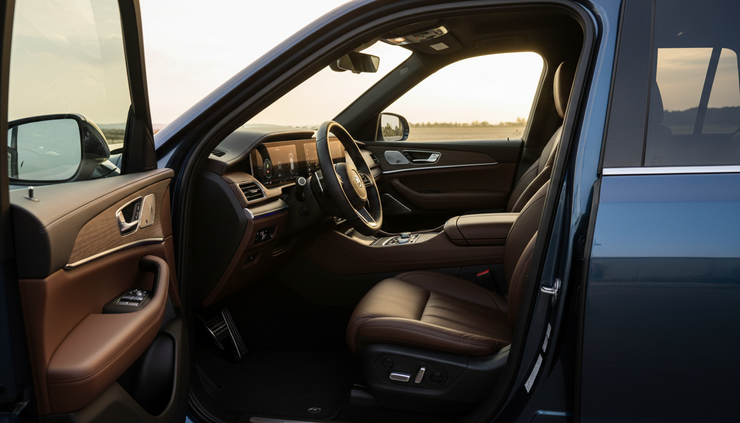
Premium Ceramic film is for maximum comfort and clarity
Premium Ceramic film is designed for drivers who want the highest level of performance available from the UniCres menu.
While Carbon improves comfort and standard Ceramic delivers a strong infrared upgrade, Premium Ceramic is built for clients who want the best heat rejection, the most refined driving feel, and a luxury-level finish. It is the right direction for vehicles that see heavy sun exposure, long commutes, or regular parking in open lots.
Premium Ceramic is especially valuable on:
Luxury sedans and SUVs
Electric vehicles
Daily commuters
Family vehicles
Black or dark-colored vehicles
Cars with large glass areas
Vehicles parked outside for long periods
Large panoramic roofs, steep windshields, and wide side glass can all increase cabin heat. A higher-performance film helps manage that extra solar load.
For exact Premium Ceramic IR and TSER figures, the best move is to review the current product specification card during the estimate. Film statistics can vary by shade and product line. A lighter shade and a darker shade may both offer strong protection, but their final numbers will not always match.
That is why a professional consultation matters. The goal is not just to pick the most expensive film. The goal is to match the film to the vehicle, the glass, the driving routine, and the client’s comfort expectations.
Visible Light Transmission affects appearance and visibility
Visible Light Transmission, or VLT, measures how much visible light passes through the glass and film. A lower VLT means a darker film. A higher VLT means a lighter film.
For example, a dark rear window may have a lower VLT than a lightly tinted front side window. The right choice depends on appearance, comfort, local tint laws, and safe visibility.
VLT does not equal heat rejection. A lighter ceramic film can outperform a darker dyed film because the material technology is more advanced. That is one reason ceramic films are popular with drivers who want heat control without making the vehicle look too dark.
When choosing a VLT, drivers usually balance four factors:
Factor | Why it matters |
Appearance | Sets the overall style of the vehicle |
Visibility | Affects nighttime and low-light driving comfort |
Heat control | Depends on film technology, not just darkness |
Compliance | Tint laws vary by window location and vehicle type |
A quality installer should help explain the difference between appearance and performance. The best result feels comfortable, looks clean, and stays within legal limits.
Glare reduction makes daily driving easier
Atlanta roads can produce intense glare. Morning and evening sun angles can be rough on east-west routes. Reflections from glass buildings, bright pavement, and nearby vehicles can also strain the eyes.
Window tint helps reduce glare by limiting visible light entering the cabin. This can make a meaningful difference during daily driving.
Glare reduction is especially helpful during:
Early morning commutes
Late afternoon drives
Highway driving
Wet-road reflections
Long trips with changing sun angles
A darker film usually reduces more glare, but darkness should still be chosen carefully. Too dark can make nighttime driving less comfortable and may violate Georgia tint limits. A professional installation should balance glare reduction with safe visibility.
Mobile installation adds comfort before the film is even installed
Performance stats matter, but the service experience matters too.
Mobile window tinting removes the need to drive to a shop, wait for the installation, and rearrange the day around an appointment. UniCres brings the installation to the driveway or workplace for clients across a 100-mile radius around Atlanta.
That convenience is especially useful for busy households, luxury vehicle owners, and anyone who wants a cleaner, more private service experience.
A mobile installation also allows the vehicle to remain in a familiar location. The installer can work around the appointment setting, inspect the vehicle, confirm film choices, and complete the job without the client sitting in a lobby.
The best mobile tinting still requires care. The installer needs a suitable work area, clean conditions, proper tools, and enough time to prepare the glass correctly. A great film can still look poor if the prep work is rushed. That is why professional technique matters as much as the product tier.

How to choose between Carbon, Ceramic, and Premium Ceramic
The best film depends on how the vehicle is used.
Carbon makes sense when the main goals are improved style, UV protection, glare reduction, and a solid step up from dyed film. It is a dependable option for drivers who want better comfort without moving into the highest performance category.
Ceramic is the better fit when heat rejection matters every day. With up to 88 percent infrared heat rejection, it gives a clear comfort upgrade during sunny commutes, long drives, and hot parking conditions.
Premium Ceramic is the choice for clients who want the strongest available comfort package. It is ideal for high-end vehicles, heat-sensitive drivers, and anyone who wants the best balance of clarity, cooling, and long-term driving comfort.
A simple way to compare them:
Film tier | Best for | Performance focus |
Carbon | Everyday style and solar protection | Better comfort than basic dyed tint |
Ceramic | Noticeable heat reduction | Up to 88 percent infrared heat rejection |
Premium Ceramic | Highest comfort expectations | Top-tier heat control and refined clarity |
The most useful question is not, “Which tint is darkest?” A better question is, “Which film gives the comfort level I want at the shade I prefer?”
The real comfort comes from matching the right stats to the right vehicle
Window tinting feels simple from the outside, but the best results come from understanding the numbers. IR rejection explains the heat you feel on your skin. TSER shows the wider solar performance. UV rejection protects the cabin. VLT controls appearance and visible light. Glare reduction improves daily comfort.
Together, those stats reveal why film quality matters.
Carbon, Ceramic, and Premium Ceramic films each serve a purpose. Carbon is a strong upgrade from basic dyed film. Ceramic brings serious infrared heat rejection, with UniCres standard Ceramic film rejecting up to 88 percent of IR heat. Premium Ceramic is built for drivers who want the highest level of comfort and clarity available, 98 percent.
For Atlanta drivers, the difference is felt in the places where the sun hits hardest: a parked vehicle at midday, a long commute through open lanes, or a summer afternoon when the air conditioner has to work overtime.
The right film does more than darken glass. It changes how the vehicle feels every time the sun is out.


Comments